Vancouver Sun | Websters celebrate the best of BC journalism Vancouver Sun Retired Sun columnist Shelley Fralic will also receive the Bruce Hutchison Lifetime Achievement Award. The past winners' list of Webster Awards contains a who's-who of B.C.'s best journalists, from The Sun's retired dean of business writing, David ... |
Monday, October 17, 2016
Websters celebrate the best of BC journalism - Vancouver Sun

Pay what you want in this 'Internet of Things and MBA Bootcamp ... - Boing Boing
Boing Boing | Pay what you want in this 'Internet of Things and MBA Bootcamp ... Boing Boing The Internet of Things movement is one of the most exciting areas of technology, particularly because you can try it at home. This DIY Hardware & IoT Bundle is ... |
Using the Business Communication Course to Teach Professionalism
 One of the major benefits of the business communication course is that it helps students practice so many valuable skills, from research and analysis to organization and document design.
The course also creates an opportunity to incorporate these communication-focused skills into the larger context of being a business professional. We define professionalism as the quality of performing at a high level and conducting oneself with purpose and pride. It means doing more than putting in the hours and collecting a paycheck-true professionals go beyond minimum expectations and commit to making lasting and valuable contributions.
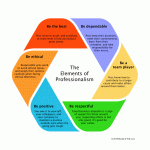
To give students a useful framework for understanding this concept of professionalism, we break it down into six distinct traits:
- Striving to excel. Pros are good at what they do, and they never stop improving. Remind students that communication is a set of skills that will benefit from the practice, coaching, and feedback they get in the course. And as with any skill, mindful practice leads to competence, efficiency, and personal satisfaction. Encourage students who are in the early stages of skill development to hang in there and take pride in incremental improvements, and emphasize that the ultimate goal of all this work is to help them share their great ideas with the world.
- Being dependable and accountable. Communication tasks offer myriad opportunities to practice the second aspect of professionalism. Students can demonstrate dependability and accountability by completing assignments on time, following instructions and guidelines, and producing quality content that audiences can count on. Planning and time management are crucial supporting skills here, of course, to avoid getting a reputation as someone who overpromises and underdelivers. Being accountable also means owning up to mistakes and learning from failures, which always provide opportunities to assess and improve.
- Being a team player. Professionals know they are contributors to a larger cause, that it's not all about them. Great team players know how to make those around them more effective, whether it's lending a hand during crunch time, sharing resources, removing obstacles, making introductions, or offering expertise. In fact, the ability to help others improve their performance is one of the key attributes executives look for when they want to promote people into management. Being a team player also means showing loyalty to your organization and protecting your employer's reputation-a major concern in this age of social media. Pros don't badmouth colleagues, customers, or their employers. When they have a problem, they solve it; they don't share it.
- Demonstrating a sense of etiquette. Etiquette is a vital element of every form of communication, from one-on-one conversations to online messages read by millions. The general concept of following the expected norms of behavior is easy enough to grasp, but students may need some coaching and practice to identify and follow norms in specific situations. With writing assignments, encourage students to consider the impact that phrasing and wording choices can have on their readers. For messages dealing with negative situations, for instance, even subtle changes can shift the emphasis from productive problem-solving to destructive criticism. With class discussions and presentations, discuss how active listening and mutual respect can influence collaborative outcomes and working relationships.
- Making ethical decisions. True professionals conduct themselves with a clear sense of right and wrong. They avoid committing ethical lapses, and they carefully weigh all the options when confronted with ethical dilemmas. Assignments and class discussions that confront students with difficult ethical dilemmas are a good way to help them develop the ability to analyze situations and weigh the pros and cons of competing courses of action.
- Maintaining a positive outlook. Encourage students to study successful people in any field and notice how optimistic they tend to be. They believe in what they're doing, and they believe in themselves and their ability to solve problems and overcome obstacles. Being positive doesn't mean displaying mindless optimism 24/7, of course. It means acknowledging that things may be difficult but then buckling down and getting the job done anyway. It means no whining and no slacking off, even when the going gets tough. We live in an imperfect world, no question-jobs can be boring or difficult, customers can be unpleasant, and bosses can be unreasonable. But when you're a pro, you find a way to power through, because one negative personality can make an entire workplace miserable and unproductive. Every person in a company has a responsibility to contribute to a positive, productive work environment.
If you have examples of how you use the course to promote professionalism with your students, please let us know in the comments.
The post Using the Business Communication Course to Teach Professionalism appeared first on Bovee & Thill Business Communication Blog.


Sunday, October 16, 2016
Pay what you want in this 'Internet of Things and MBA Bootcamp' roundup - Boing Boing
Boing Boing | Pay what you want in this 'Internet of Things and MBA Bootcamp' roundup Boing Boing The Internet of Things movement is one of the most exciting areas of technology, particularly because you can try it at home. This DIY Hardware & IoT Bundle is one of the best and most affordable resources we've found to get started. The bundle ... |
Quiz on subject-verb agreement was a bit off - Minneapolis Star Tribune
Quiz on subject-verb agreement was a bit off Minneapolis Star Tribune If you're been scratching your head since reading my Oct. 3 column, please let me put your mind (as well as your scalp) at ease. In that column, I quizzed you on five rules of subject-verb agreement. My answer key should have read, "In the odd-numbered ... |
Begley: Tips for playing the fame game in business - Daily Local News
Daily Local News | Begley: Tips for playing the fame game in business Daily Local News A week ago, I did a workshop on business writing as part of a marketing conference in Boston. I had been hired for the job by a seminar company in New York. During my introduction, the head marketing executive said she was delighted that the Manhattan ... |
Friday, October 14, 2016
Career Coach: Make sure you always 'know where to kick...' - NorthJersey.com
Career Coach: Make sure you always 'know where to kick...' NorthJersey.com I can tell you about a young man in sales who is a very good writer, not an Ernest Hemingway, just skilled at putting out good, clean, concise, clear, impactful business writing that is structurally sound, grammatically error-free, and impossible to ... |
Subscribe to:
Posts (Atom)